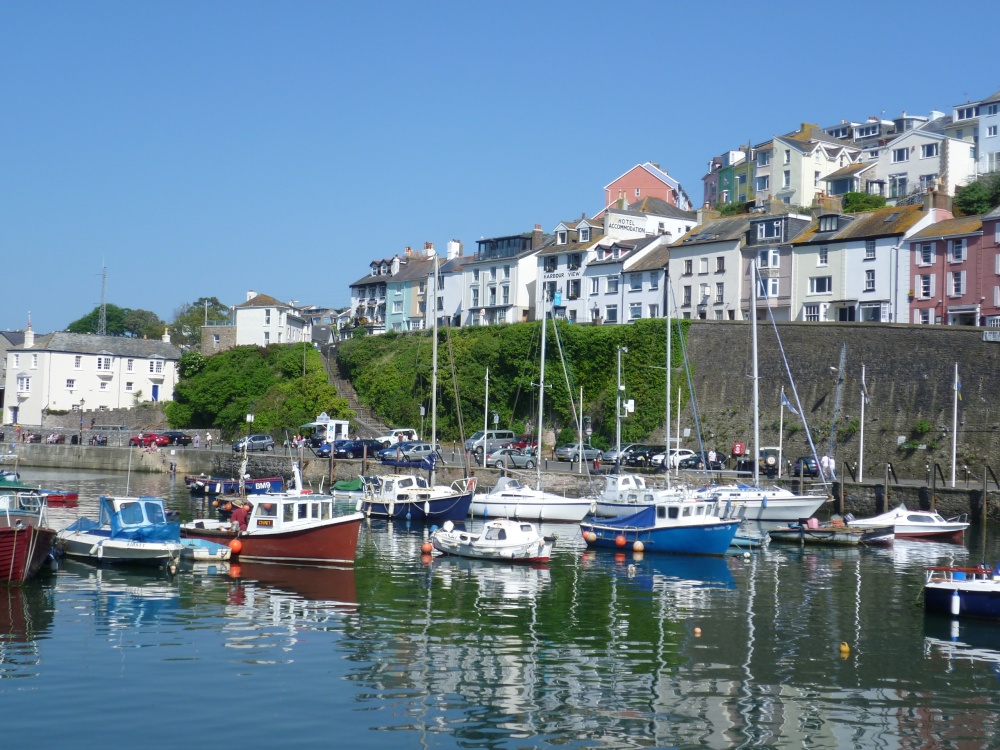
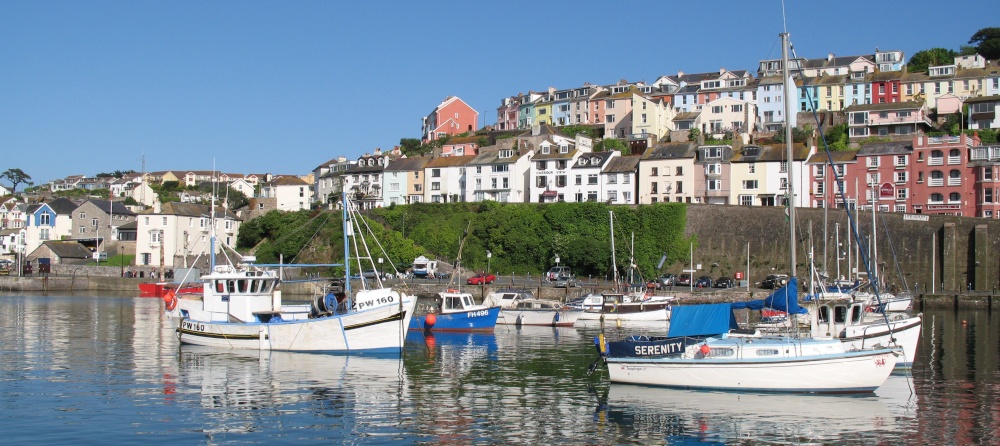
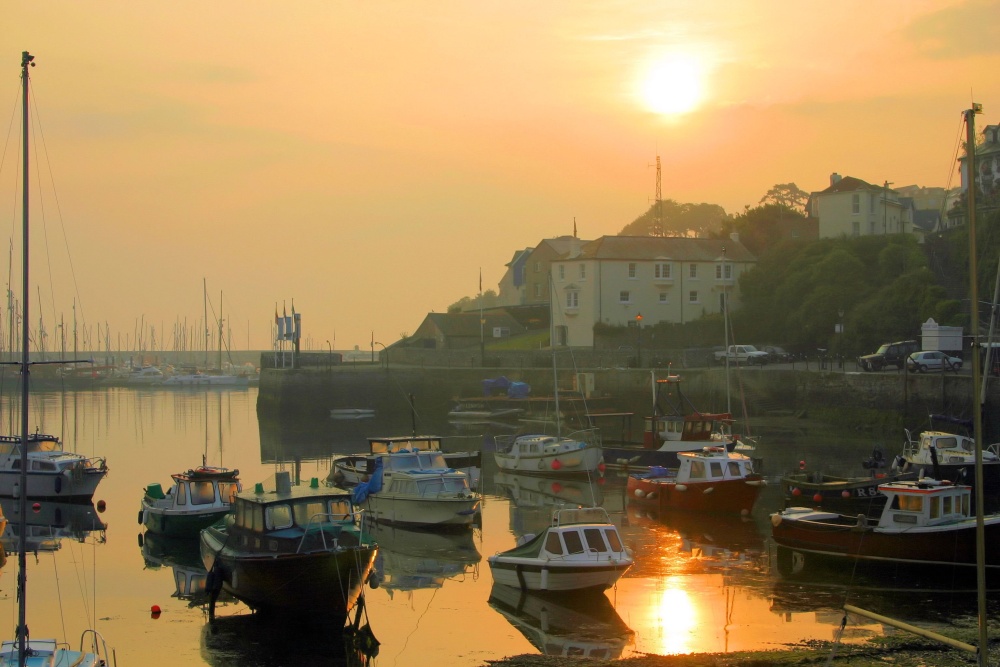
Pictures of Brixham
About Brixham
The long history of Brixham first began in pre-historic caves, finds suggest that Human beings sheltered here during the Ice Age. There are also many Bronze age finds, indicating that Brixham may have been an early trading post. The name Brixham appears to derive from a Saxon name relating to Berry Head, Bryi or Bryig. Possibly Saxon farmers sailed here from Hampshire around 550 AD or perhaps they came overland, on foot, about 800 AD.
The saxons set up three farms in this area, equivalent to Upton, Middleton and Lowerton. Milton Street, may originate from Middleton which is mentioned in a document in the 13th-century.
Brixham was first documented in the Domesday Book where it is spelt Briseham. The book records six Manors in the area that later became the Parish of Brixham.
As elsewhere, William the Conqueror gave much of the land to his followers. The manor of Brixham was granted to Judhel (Joel) of Totnes. Joel founded a Priory at Totnes and granted them the farm of Upton. By the time of the dissolution of the Monastries, Upton had become a country estate, it was to change hands a number of times.
When the Normans came, they generally reinforced the Catholic Faith. They rebuilt many churches, possibly including St.Mary's and meatless friday's became standard, giving an economic boost to coastal and riverside communities. Fisheries sprang up at every possible point. This may have been the early start of Brixham's great fishing industry.
The manor was divided between several families, one share found it's way via the family of Bonvile to Henry Grey, Duke of Suffolk, who lost his lands, his head and that of his daughter Lady Jane Grey in 1554. The Crown confiscated his share of Brixham and sold it piecemeal.
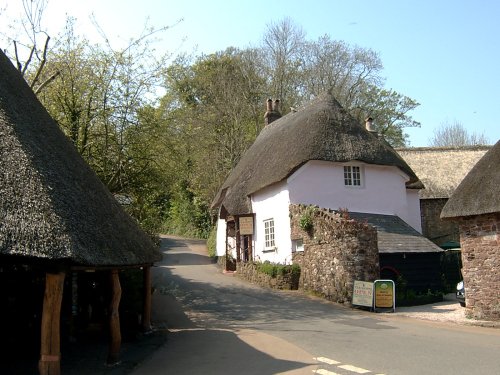
St.Mary's Church stood at the heart of the settlement. The poorhouse, workhouse and madhouse were in Baker's Hill, once known as Beggars Hill. The village stretched out along the main road, Milton Street. The house's were thatched including Black House as it's sharply pitched roof shows.
Brixham then was basically agricultural with many associated trades, such as wheelwrights and blacksmiths. Introduction of the fishing industry was slow as the fishermen only had the locals to feed, it remained this way for centuries. It was not until 1535, following the development of Merchant Trading that Brixham became known as the largest fishery in the Southwest.
In the reign of Queen Elizabeth Ist, Henry Gilbert, owner of nearby Greenway House, established England's claim to Newfoundland. The Newfoundland cod industry grew rapidly during the 16th and 17th-centuries. Brixham men went out seasonaly to fish, thus a three fold trade began. Coal and vegetables were carried outwards, fish was taken for sale to the Mediterranean and dried fruit was brought home to England.
The years between 1780 and 1840 saw a period of great change, for it was during these years that the fishery of Brixham introduced Trawling to practically every port of consequence in Britain. By the 1890's Brixham fleet reached it's peak with just around 300 trawling vessels. These vessels were mostly 'skipper' owned.
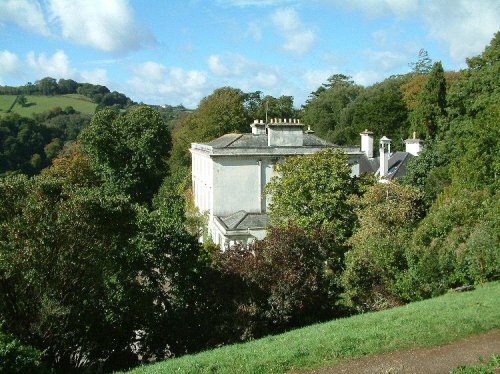
The following years saw the industry flourish and this brought prosperity to the town. This prosperity is evidenced by the number of elegant buildings and houses established during this period. Sadly, from this bountiful period the industry gradually ebbed towards it's demise with the last sailing vessel being built in 1927. Today, only a handful of these proud little ships remain as much loved working heritage exhibits.
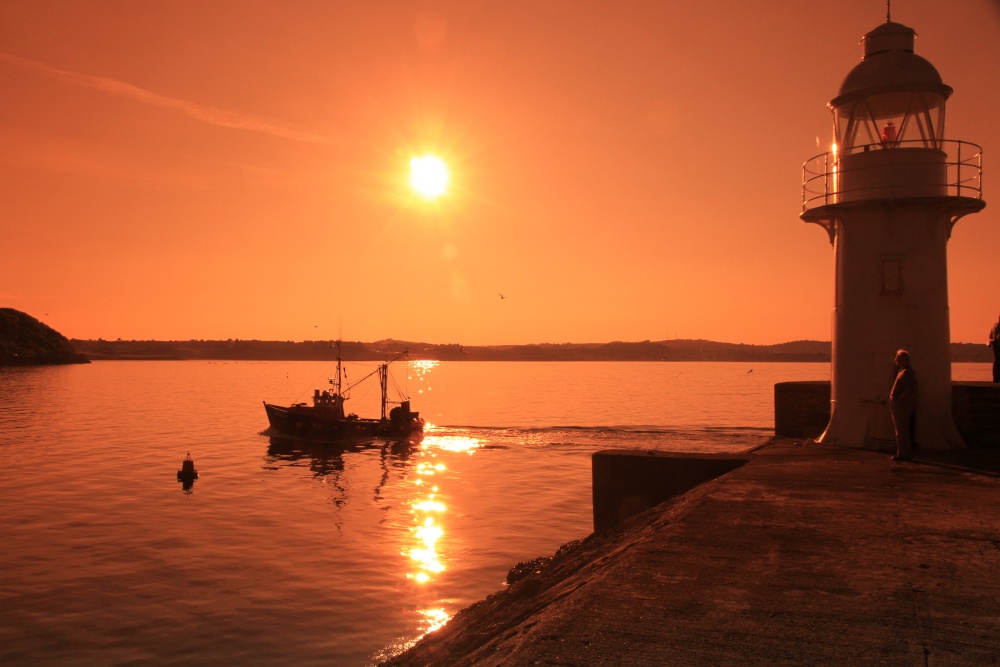
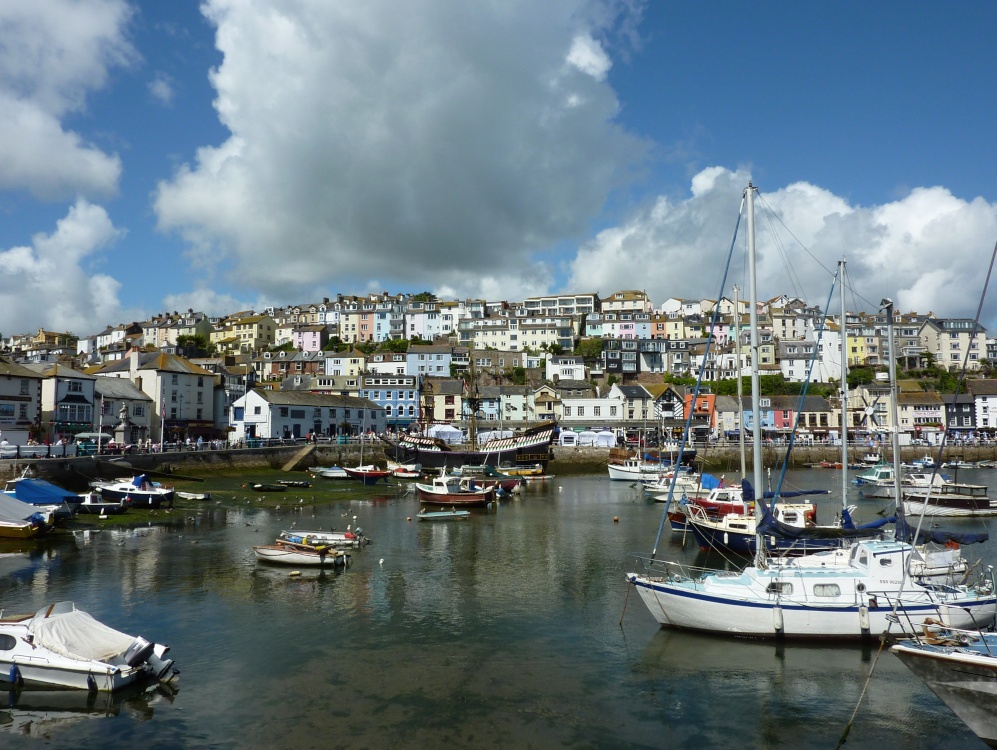
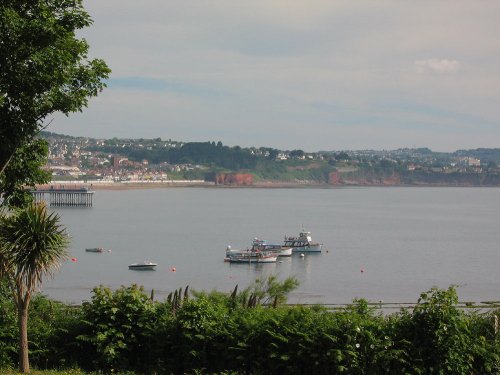
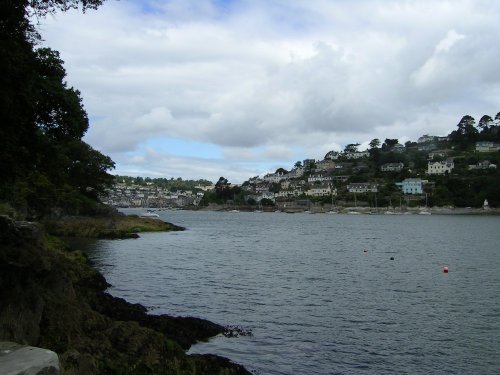
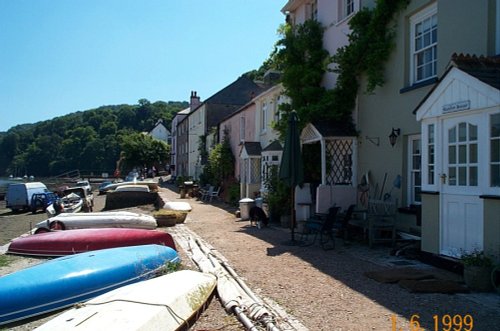
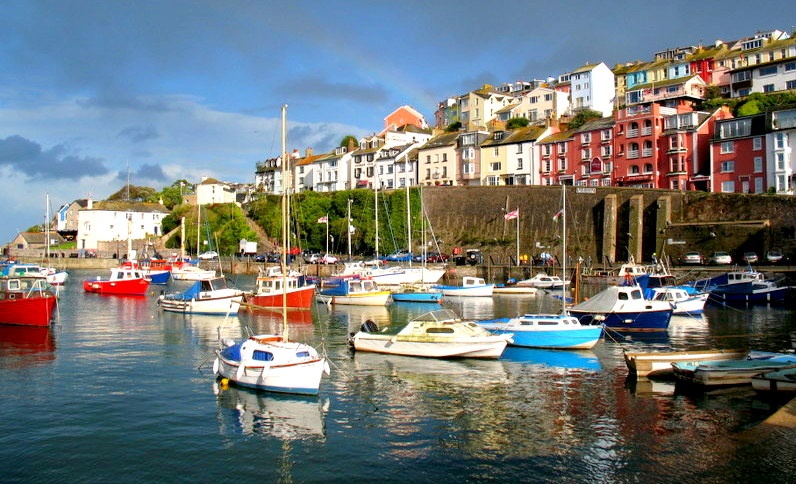
Brixham's tourist industry first began during the two World Wars and has continued ever since. Today, it is a fine coastal resort, to which Artist's and holiday makers alike are drawn, for such is the quality and quaintness of it's picturesque harbour. A museum in Brixham shows much that is interesting and there is a nearby cave to be explored that maybe, just maybe, was once used by smugglers of a bygone age. Brixham's prominent position on the South Devon Heritage Coast assures the visitor of the beauty of this area, there are wonderful views of a glistening sun bathed sea. At other times, when the gales blow and the might of the ocean rages against the cliffs, well this then is an awesome sight of might and majesty, a view never to be forgotten.
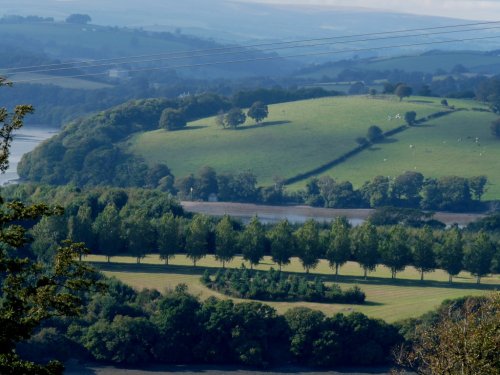
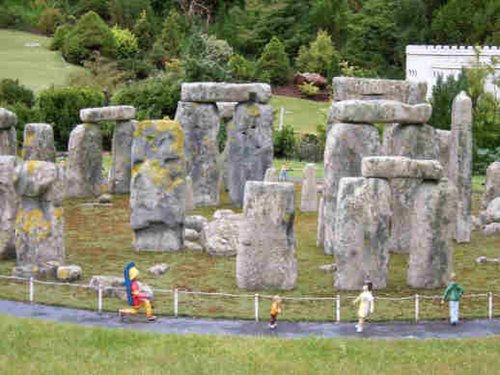
There is much to see and do in this great region, it is in close proximity to Dartmouth, Paignton and Torquay. All within easy reach are beautiful gardens, a model village and a woodland lesuire park. There are grand houses to be explored and if you call into any of the local inns and restaurants you will find they all serve fresh, locally caught, fish, crab and seafood. Many a 'mine host' will enjoy entertaining you with stirring tales of the fisher folk of long ago.