Gemm is perfectly correctly. What you are probably experiencing is an under-exposure problem.
The problem is that a camera's exposure meter takes the full range of light in a scene and reduces it to an average grey tone. So anything lighter than standard grey gets under-exposed and shadows are given additional exposure to retain detail.
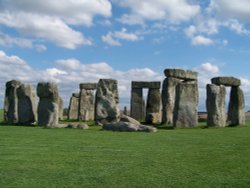
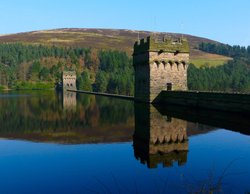
Unlike the human eye, standard photographic film and modern photo cells in digital cameras can only record a specific range of light sources, so you need to be aware of what range your camera can record. Then, when this range is exceeded, you can 'bracket' your shots to ensure you record a full range of tones that can be combined to produce a final result.
In order to do this, you first need to 'zero' your camera. This is easy with a modern digital camera set to 'manual' and suitable software.
First, create a 'grey' card on your computer screen using your photo software. You want to produce a mid-tone grey which has RGB values of 127 decimal for each primary colour with a range of 0..255.
Display this colour in full-screen mode and then prepare to take its picture (just the grey) with your camera mounted in front of the screen on a tripod.
Fill your frame with the colour (you don't have to worry about focus) and use your camera's meter (in manual mode) to set the 'perfect' exposure.
Take a callibration shot which should print perfectly as the mid-tone grey you have photographed.
Now take a series of shots which become progressively underexposed until they render as solid black with no detail.
Take another series which become progressively overexposed until you achieve solid white with no detail.
(You don't really have any detail to examine in your photographs; but you will see where the change occurs because the subsequent shots are exactly the same as the solid white or black approached in the series).
You are now in a position to analyze the exact EV range that your camera can record. (The range is the series from - but not including - the first solid black through to the first solid white - but not including it).
Make a note of the range (in EVs) for future reference and make use of it in all your future photographs.
Put your camera, if possible, into 'spot metering' mode. Then, before you take your next photograph, measure the brightest and darkest tones seperately.
If their range is within your camera's capabilities, set your exposure to the middle value and shoot. You will have a perfect photograph with a full tonal range that you can be proud of. And, in your photo software, you will then have the ability to change the photo's mood significantly by just modifying its brightness.
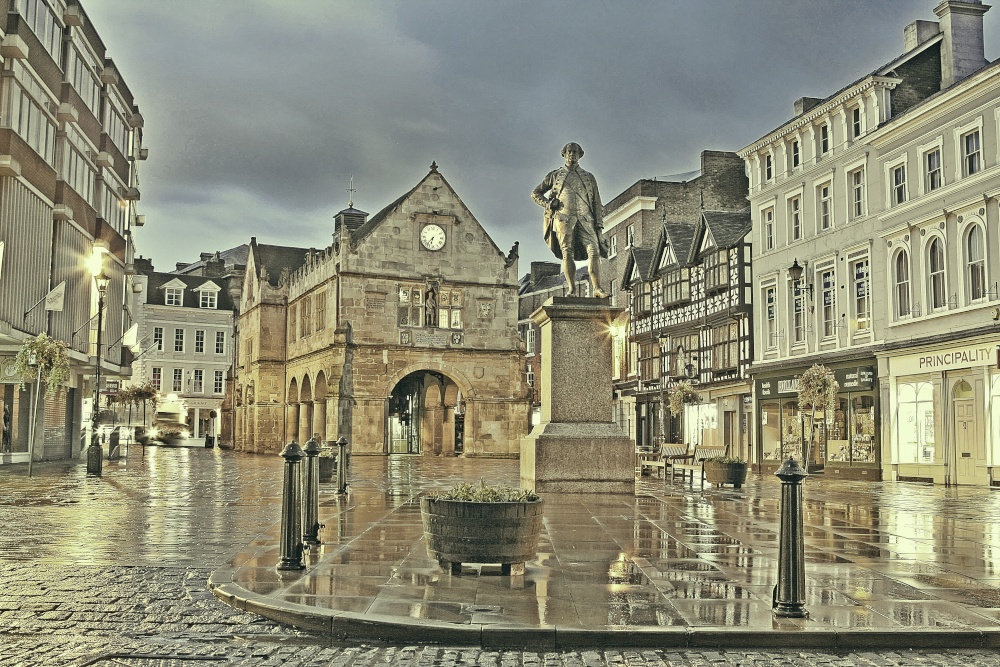
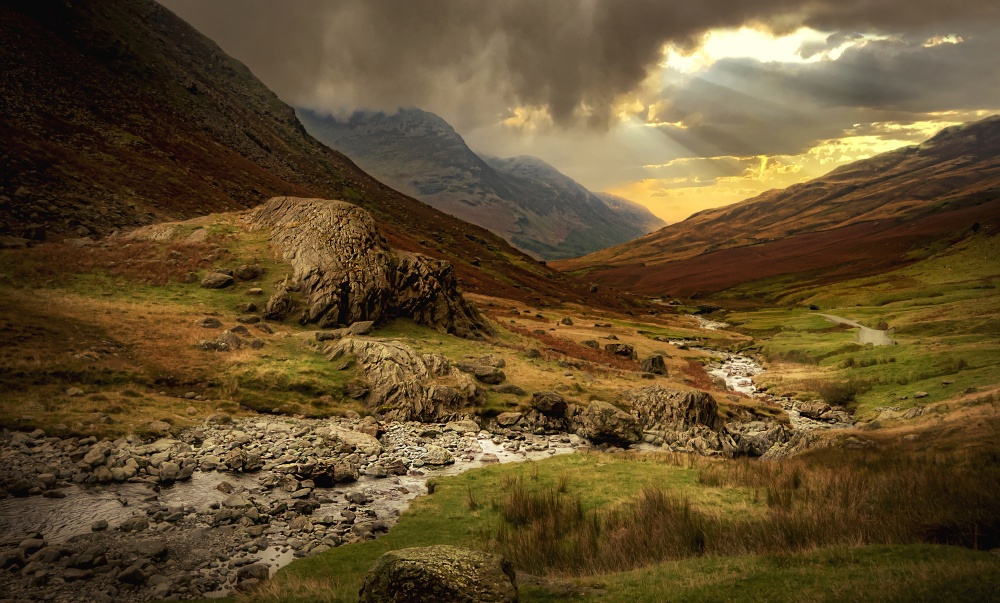
If you find that the scene before you exceeds the tonal range of your camera, you will need to get your tripod out and take two or more separate exposures so you can record the full tonal range of the image. Then, by using suitable software, you can combine the images to produce a single photograph which exhibits the full tonal range.
This is a lot easier in digital photography than it used to be in the darkroom (when you used to be hampered by the limited tonal range available in different photographic papers).
I personally use PhotoImpact to produce these types of results because it is a breeze. But you can extract similar results (with a little more work) using other offerings.
Hope this helps...